Hot Dog Venti Cold Cup 24oz SVG for Crafts & Graphics
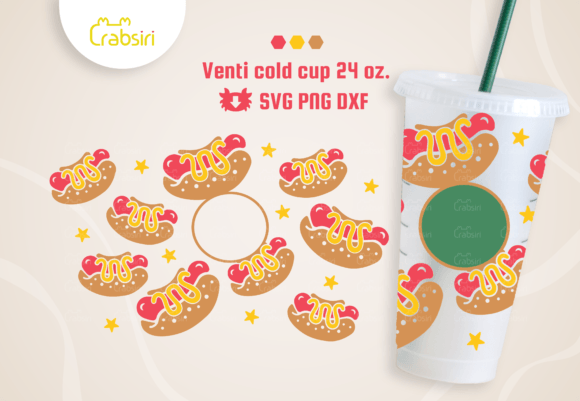
When I first opened the Hot Dog Venti Cold Cup 24oz SVG file, I immediately saw a graphic design asset that does far more than just decorate a reusable cup. The image is playful, a little nostalgic, and instantly cheerful. As a blog designer and digital publisher, I evaluate every visual through the lens of editorial clarity, reader trust, and click potential. This design creates a casual, lighthearted mood that feels like summer cookouts, street food festivals, and easygoing weekend content. The hot dog illustration is rendered with a clean, friendly line style that reads well at multiple sizes, and the bold, simple shapes mean it won’t get lost in a busy blog layout or a crowded Pinterest feed.
The download itself is cleanly organized. You get the vector SVG, a high-resolution PNG, and a DXF cut file, all at 300 dpi. The wrap is pre-sized for the 24 oz reusable Venti Starbucks cold cup, so if you are crafting, it is ready to cut with no watermarks and no extra resizing. For a publisher, the fact that the PNG is already sharp and professionally prepared saves valuable editing time. I can drop it into a Canva template, a blog featured image, or a newsletter banner without having to upscale or clean up fuzzy edges. That kind of production-ready polish is what I look for when I choose graphics for monetized content.
First Editorial Impression and Reader Perception
The visual style of the Hot Dog Venti Cold Cup 24oz SVG is whimsical and distinctly food-focused. It doesn’t try to be elegant or minimalist; it leans into a cheerful, almost vintage diner aesthetic. That immediately tells me which content niches it will support naturally. Food blogs, family recipe sites, summer party planning content, and any casual lifestyle brand will find this graphic slots right into their visual identity. When readers land on a post and see a bright, playful illustration, they make a split-second judgment about the tone of the writing. This image signals that the content is approachable, fun, and not overly serious. For the right audience, that builds instant warmth and trust.
As a publisher, I am always thinking about brand consistency. The hot dog graphic is not just a cup wrap; it is a compact, recognizable icon that can become a signature motif across a site. I can use it as a category thumbnail for “Summer Recipes” or “Picnic Ideas,” a small accent inside a downloadable recipe card, or the hero visual for a snack-themed newsletter. Because the design is simple, it doesn’t compete with headline text, yet it adds a strong visual anchor that makes content feel intentionally designed, not thrown together.
Real Publishing Workflows Where This Asset Shines
I tested the Hot Dog Venti Cold Cup 24oz SVG inside several real publishing scenarios, and it proved surprisingly versatile. For a blog post about homemade hot dog toppings, the PNG worked perfectly as a featured image. I placed it left-aligned with a bold serif headline, and the composition felt balanced and inviting. In a Pinterest pin design, I used the SVG to create a pin with a white background, the hot dog graphic centered, and a short overlay text. The playful illustration stopped the scroll in a way that plain food photography often doesn’t, especially on mobile.
Here are a few specific ways I can see this graphic elevating content:
- Blog featured images: Use the PNG as a side accent or central element for posts about summer food, party menus, or family-friendly recipes.
- Pinterest pins: The crisp, scalable SVG lets you create multiple pin variations without losing quality, and the graphic’s quirky charm drives click-throughs from food and lifestyle boards.
- Newsletter banners: A small version of the hot dog graphic at the top of a weekly digest adds a warm, handcrafted touch that plain text headers lack.
- Digital guides and lead magnets: Embed the graphic into a free printable shopping list, a picnic planner, or a kids’ activity sheet. It instantly makes the download feel more polished and giftable.
- Social media carousels: The circular shape of the cup wrap can be extracted and used as a branded sticker element for Instagram Stories or Facebook posts.
- Thumbnails for video or podcast content: A tiny version of the hot dog graphic on a podcast cover art or YouTube thumbnail can signal food-related episodes without taking up too much space.
How the Design Supports Visual Hierarchy and Clickability
In the crowded digital space, visuals must do more than look pretty; they need to guide the reader’s eye toward the most important action. The Hot Dog Venti Cold Cup 24oz SVG has a naturally contained shape, which makes it easy to position as a secondary focal point. I can place it next to a headline, and the eye moves from the bold text to the illustration and back, reinforcing the message. This kind of visual hierarchy is essential for increasing time on page and reducing bounce rates.
The graphic also brings a sense of motion and whimsy that can soften a text-heavy layout. On a recipe blog, a long list of ingredients can feel overwhelming. A small hot dog icon placed near the ingredients heading or as a bullet point marker breaks up the monotony and keeps the design engaging. For affiliate content, where I might be linking to kitchen tools or reusable cups, the graphic subtly reinforces the product theme without being a hard sell, which readers appreciate.
Brand Identity and Content Consistency
Every download I add to my media library must work with my existing brand colors and fonts. The Hot Dog Venti Cold Cup 24oz SVG comes in a neutral palette of warm yellows, reds, and browns, which pairs well with a wide range of blog color schemes. I can adjust the SVG colors easily in design software to match a specific brand palette, making it a flexible asset that can evolve with a site’s visual identity. This is a huge advantage over static stock photos that may clash with carefully chosen brand colors.
For digital publishers who use Canva templates for their content, the PNG and SVG files can be uploaded directly and used as design elements inside newsletter templates, media kit pages, or even eBook covers. The pre-sized cup wrap format means you can also offer it as a printable cut file for readers who are into crafts, creating a bridge between digital content and physical DIY projects. This crossover appeal makes the asset valuable for niche sites that blend food content with hands-on craft tutorials.
Where the Graphic Works Best
I found the strongest results when the Hot Dog Venti Cold Cup 24oz SVG was placed in environments that allowed it to breathe. It excels as a hero image on a clean, white background, in medium to large thumbnail sizes, and in Pinterest pins where the graphic fills at least thirty percent of the canvas. It also performs beautifully inside editorial layouts that use generous whitespace and minimal surrounding graphics. The playful nature of the design means it naturally attracts attention on social media feeds, especially during summer months or around holidays like Independence Day and Labor Day.
For downloadable resources, the graphic adds a touch of personality that makes a simple PDF checklist feel like a thoughtful product. I have used similar assets inside lead magnets, and the perceived value noticeably increases when a design element feels custom-made rather than generic.
Where to Use It Carefully
While the Hot Dog Venti Cold Cup 24oz SVG is a strong asset, it is not a one-size-fits-all solution. On very small mobile thumbnails, the detail of the hot dog can become muddy, so I avoid using it as the sole image in a 50-pixel sidebar widget. If a blog post includes a lot of text overlay on the image, the playful graphic can compete with the words, so I always test readability by placing the headline directly on top of the graphic before publishing. On low-contrast backgrounds or busy patterns, the image loses its punch, so I stick to solid, light backgrounds or use it with a subtle drop shadow.
In corporate or serious professional niches, this graphic would feel out of place. A finance blog, a medical site, or a law firm’s content page would not benefit from the whimsical tone. However, for the right niche, it is a charming addition that builds a more human connection with the audience.
Practical Publisher Notes for Real-World Use
From a technical publishing standpoint, I always run through a quick checklist before integrating any graphic design asset into a live website. Here is what I recommend for the Hot Dog Venti Cold Cup 24oz SVG:
- Test on desktop and mobile: The graphic should remain recognizable and not pixelate on high-resolution screens. The 300 dpi PNG handles retina displays well, but I still compress the file for web using a tool like TinyPNG to keep page load speeds snappy.
- Check thumbnail legibility: Preview how the image looks at 200x200 pixels and 100x100 pixels. The hot dog shape holds up because of its bold outline, but I always verify that the bun and sausage details don’t blur into a single blob.
- Preview inside a real blog layout: Temporarily replace your current featured image with the hot dog graphic and see how it interacts with your sidebar, menu, and surrounding typography. I often find that adding a subtle white border or a soft shadow helps it pop against a white blog theme.
- Overlay headline text: Place a sample headline in a serif, sans serif, script, and handwritten font over the graphic. The playful style pairs best with rounded sans serifs or friendly hand-lettered fonts, but it can clash with very formal serif typefaces. Test a few combos before committing.
- Check in black and white: For accessibility or print-friendly versions, a quick grayscale check ensures the graphic still communicates the idea. The hot dog silhouette remains clear even without color, which is a sign of a well-designed asset.
- Verify licensing: The product description did not mention a specific commercial license, so I always reach out to the creator or check the marketplace terms before using the graphic on monetized affiliate pages, paid digital products, or client projects. Clear licensing protects your content business from unexpected issues.
- File size management: The SVG is lightweight by nature, but the PNG may need optimization. I aim to keep blog images under 200 KB for fast loading, and the included PNG easily compresses to that range without visible quality loss.
Blending Crafts and Digital Publishing
One thing I find particularly clever about the Hot Dog Venti Cold Cup 24oz SVG is how it bridges the gap between physical crafts and digital graphics. The cut file is intended for crafters who want to personalize their reusable cups, but as a content publisher, I can spin that into a valuable blog post or tutorial. A step-by-step article showing how to use the SVG with a cutting machine while also offering the PNG as a free download for digital planners creates a content piece that serves both audiences. This dual-purpose nature makes the asset a smart addition to a blog that monetizes through both display ads and affiliate links to craft supplies or cup accessories.
I can also use the graphic to create a Pinterest-worthy collage that combines a photo of the finished decorated cup with the digital file. That kind of mixed-media pin tends to perform well because it shows a real craft result while still appealing to digital download seekers. The included DXF file ensures compatibility with a wide range of cutting software, which I can mention in the post to add value for readers who use different machines.
Final Thoughts on Visual Storytelling
From a content marketing perspective, the Hot Dog Venti Cold Cup 24oz SVG is far more than a simple craft cut file. It is a storytelling tool that adds a layer of whimsy and warmth to blog graphics, social media visuals, and downloadable resources. It helps content feel more approachable, makes Pinterest pins more clickable, and gives newsletters a distinctive, handcrafted personality. For the right niche, it can become a signature graphic that readers instantly associate with your brand. Just remember to test it thoroughly across devices, pair it with clean typography, and always use it in a way that supports, not distracts from, your content’s core message.