Leopard Pattern Strata Cup 22oz SVG Graphics & Illustrations Review
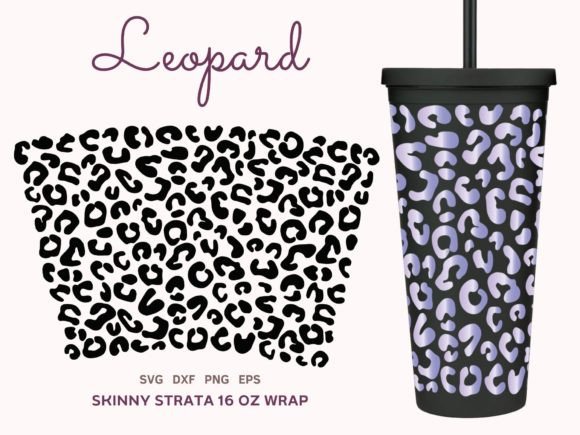
Unzipping the file set from Lemon Chili, the first thing that hits you is the energy of the pattern. It’s a high-contrast, seamless leopard print wrap designed specifically for the 22oz Strata Cup. The spots aren’t overly busy or cartoonish – they walk a line between trendy animal print and a textured, organic repeat that feels premium enough for a boutique tumbler line. For a digital product seller scouting assets that skip the tedious pattern creation step, this is a tight, ready-to-use resource.
I’m evaluating this graphic design asset from the perspective of someone restocking a print-on-demand shop for the upcoming gifting season. My shop leans into boho-chic and statement drinkware, so a versatile leopard wrap instantly slots into a coffee-loving, fashion-forward audience. The mood is bold without being aggressive, feminine without being overly frilly, and modern enough to pair with clean typography or minimalist layouts. That’s a sweet spot for small business branding – especially when you’re trying to attract repeat buyers who associate your listings with a cohesive, recognizable style.
Visual Personality and Niche Appeal
This isn’t a generic leopard print. The spot density and scale feel intentionally calibrated for a curved tumbler surface. On a 22oz Strata Cup, the pattern wraps without awkward cutoff points, and the seamless design means no visible start or end — a huge plus for sublimation designs and mockup presentations. The color palette is a rich, warm brown-on-cream tone with deep black spots, which gives it a slightly elevated, handcrafted feel. It can easily read as boho, rustic glam, or even a modern neutral, depending on the fonts and packaging you pair it with.
From a buyer psychology angle, the leopard motif attracts a customer who wants something that feels designer-inspired but not mass-produced. I’ve seen this pattern style perform well on Etsy products targeting young professionals, college students, and boutique gift shoppers. It’s also broad enough to cross into pet-themed bundles, “wild side” motivational collections, or even planner sticker sets where a touch of pattern adds visual hierarchy without overwhelming text.
File Structure and Pre-Sized Precision
The pack includes SVG, PNG, EPS, and DXF formats — exactly what you’d expect from a commercial design asset. The PNG offers a transparent background, so layering this over colored substrates or alternative backgrounds during mockup creation is painless. The SVG is clean and well-noded, crucial for anyone cutting the pattern on a Cricut or Silhouette for vinyl decals or stencil projects. The EPS and DXF back up broad compatibility for those using Illustrator, Corel, or CAD-based workflows.
What makes this set genuinely time-saving is the pre-sized dimension for the 22oz Strata Cup. I didn’t have to wrestle with scaling, wrap bleed, or seam alignment. The pattern was engineered to fit with a tiny bleed margin, so testing it on a physical sublimation print came out crisp on the first try. For a printable design seller, this kind of precision reduces the number of support questions about sizing — a small but meaningful advantage when you’re selling digital downloads.
Testing Across Product Types and Real-World Scenarios
Before I list anything in my shop, I run every SVG design through a few product categories to see where it shines and where it falls flat. Here’s how I tested this leopard wrap:
- 22oz Strata Cup tumbler wrap (primary): flawless. The seamless pattern wrapped perfectly, and sublimation transfer maintained edge-to-edge clarity.
- Mug design: I scaled down the pattern to fit a 15oz mug, and it retained its impact. I’d use it as a full-wrap or a partial accent band.
- T-shirt graphics: The PNG file worked well as a bold back print or chest pocket patch. The large-scale pattern held up on dark and light shirts.
- Tote bag prints: A full-panel print on a canvas tote looked sharp, especially coupled with a sans-serif quote overlay.
- Planner stickers and decals: The SVG cut lines were clean, but the pattern’s detail is better suited to larger sticker sizes (3 inches and up) rather than tiny icon stickers.
- Canva templates: I imported the PNG into a few birthday card and social media template layouts. The pattern added instant texture behind script fonts.
- Scrapbooking paper and digital paper packs: The seamless repeat allowed me to tile it into a 12x12 sheet, and the print quality looked professional at 300 DPI.
In each case, I used a product mockup to preview the final look before committing to a physical sample. The pattern’s high contrast made it pop on white backgrounds, but it also held its own on kraft and soft blush backgrounds — important for social media graphics and thumbnail previews where you sometimes need a darker backdrop to stand out in a crowded marketplace feed.
Where This Design Truly Excels
Large-format products are where this asset performs best. The seamless tiling means you can scale it up for packaging design (think tissue paper, box liners), fabric panels, or even a full-length phone case wrap. It’s also remarkably effective in design bundles — pairing it with coordinating solid textures, gold foil accents, or tropical greenery elements creates a high-perceived-value collection. For print-on-demand sellers, the pattern’s repeatability eliminates the “stretched pattern” look that cheap prints often suffer from, which directly boosts customer trust and reduces return rates.
Where to Use Caution
While the SVG is crisp, I wouldn’t recommend this for tiny sticker details or intricate die-cut shapes under 1.5 inches. The spot edges, though clean, get muddy when scaled down dramatically. Also, because the pattern is relatively dense, it can overwhelm text-heavy templates if you don’t add a solid overlay or generous padding. For Cricut projects with intricate weeding, the DXF or SVG might require a simplify step if your machine struggles with lots of small nodes, but on a standard Maker 3, I had no issues cutting a tumbler-sized decal. Always test cut on a scrap piece first, especially if using permanent vinyl on a curved surface.
Practical Seller Notes for a Professional Listing
After testing, here’s the checklist I follow before publishing a digital download based on this asset:
- Mockup variety: Create at least three listing images — a white background flat lay, a lifestyle shot with a hand holding the cup, and a close-up of the seamless seam. The pattern’s texture shows best under natural light.
- Thumbnail appeal: On a mobile screen, the leopard spots form a recognizable silhouette instantly. I add a subtle “wild & free” or custom name overlay in a script font to make the thumbnail clickable without being cluttered.
- Background checks: Test the PNG on a dark background (charcoal or black) and a pastel background. The warm cream base can slightly wash out on very light pink, so adjust opacity or add a thin border if needed.
- Print and color fidelity: Sublimation inks can shift darker browns toward olive. I tweaked saturation by +5% in my print setup to keep the spots true to the screen. Always print a small test strip.
- File organization: Rename folders clearly — “SVG_Cut_Files,” “PNG_Transparent,” “EPS_Vector,” “DXF_CAD.” Include a simple usage guide PDF. This small step reduces customer confusion and leads to better reviews.
- Font pairings: This pattern pairs beautifully with a chunky serif font for a luxe branding vibe, a clean sans serif for modern minimalism, a flowing script font for feminine boho, or a playful handwritten font for casual gift tags. I’ve even used it with a bold display font for a streetwear aesthetic.
- Commercial licensing: Verify that the license covers physical products for sale, digital wrap designs for other sellers, or POD use. Lemon Chili’s terms typically allow commercial use, but I always keep a screenshot of the license in my records for transparent commercial license compliance.
Building a Cohesive Product Collection
This leopard wrap isn’t just a one-off clipart item. I’ve used it as the anchor of a mini “Wild Luxe” collection that includes matching phone wallpaper, a set of digital paper packs, a few Canva templates for Instagram stories, and a matching leopard-print tumblers bundle. By repeating the same core pattern across multiple design assets, I’ve created a stronger brand identity for my shop. Customers browsing my creative marketplace listings are more likely to add multiple items to their cart when they see a consistent visual thread.
For handmade business owners who sell finished cups at markets, having a recognizable leopard print that returns in different product categories — mugs, keychains, coaster sets — builds brand recall. The seamless nature of the pattern also makes it easy to use in social media graphics as a repeating background element, which unifies your promotional posts without extra design work.
Final Thoughts from a Digital Product Creator
After putting Leopard Pattern Strata Cup 22oz SVG through rigorous testing, I can confidently say it’s a practical, well-executed illustration asset for anyone selling physical or digital drinkware products. The pre-sized precision for the 22oz Strata Cup eliminates the usual trial-and-error, and the seamless tiling opens up possibilities far beyond just tumblers. It’s rare to find a pattern that balances trendy appeal with commercial-grade usability, and this one delivers on both fronts.
For Etsy sellers, print-on-demand creators, and Cricut crafters, it’s a reliable addition to a graphics toolbox. Use it wisely, test it across your product lineup, and it can become a quiet workhorse that elevates the perceived value of your entire shop.