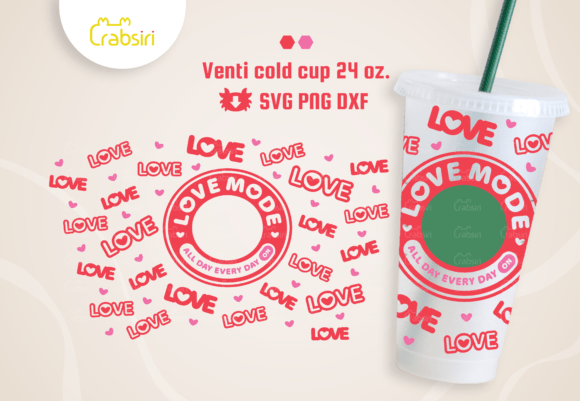
Love Mode Hot Cup 16oz SVG: A Designer’s Stitch Test
Every now and then a design file lands in my inbox that feels less like a digital asset and more like a full mood. That was my first thought when I opened the Love Mode Hot Cup 16oz SVG. The shape is instantly recognizable, the theme is cozy yet modern, and the layout practically begs to be turned into a stitched product. Before I ever loaded it into my digitizing software, I could already picture it on a cream canvas tote, a soft heather gray sweatshirt, or even a baby onesie for a coffee‑loving parent. But as any embroidery designer knows, a pretty vector and a clean embroidered result are two very different things. So I approached this file like I would any design asset headed for thread and fabric: with equal parts excitement and a healthy dose of practical skepticism.
The Cup That Speaks a Stitchable Language
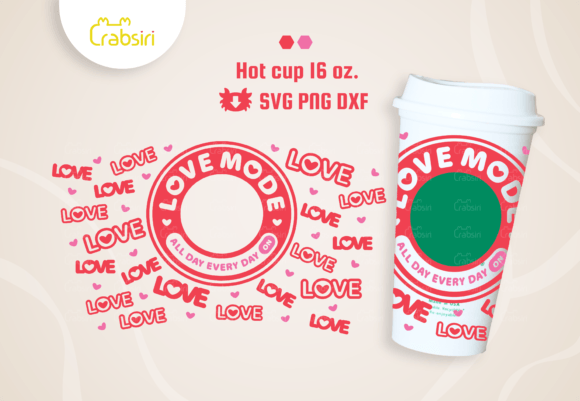
Right out of the folder, the Love Mode Hot Cup 16oz SVG gives off a warm, inviting energy. The cup shape is generous, the proportions are balanced, and the overall composition feels intentional rather than cobbled together. There’s a subtle romance in the way the curves and lettering interact—nothing too frilly, but enough personality to make a handmade product feel like a boutique find. I’m not reviewing a graphic here; I’m reviewing a potential embroidered patch, a sweatshirt centerpiece, or a decorative accent on a kitchen towel. That’s the lens I always use, and this design slides right into the sweet spot between trendy and timeless.
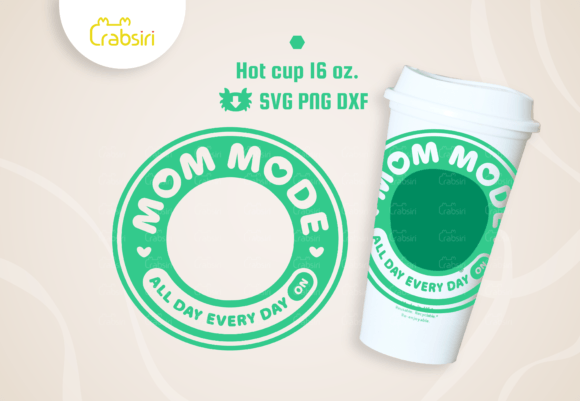
Because the file is provided as high‑resolution 300dpi SVG, PNG, and DXF, I didn’t have to waste time cleaning up jagged edges or guessing cut lines. The wrap is pre‑sized to fit the Starbucks Hot Cup 16 oz, which tells me the creator understands the real‑world application. That’s a huge trust signal for a craft business owner. I can start tightly focused on how the shapes will translate into satin stitches, fill stitches, and running stitches—not on resizing and hoping for the best.
First Patch Test: Visual Personality on a Baby Bib
I often test a design’s emotional impact by mocking it up on a product I wouldn’t automatically reach for. For the Love Mode Hot Cup 16oz SVG, I chose a baby bib in soft blush cotton. The result was unexpectedly charming. The cup graphic, simplified and slightly scaled, made the bib feel like a thoughtful, personalized gift rather than a generic baby item. The “Love Mode” text stayed readable even at a reduced size, and the overall shape worked well with a satin‑stitch border finish I tested in my digitizing software. That’s when I started to think: this design doesn’t just belong on an adult’s tote bag. It could live joyfully in nursery decor, on a baby blanket corner, or even as a tiny embroidered patch on a child’s backpack.
What struck me most was the design’s ability to hold its mood across different thread colors. I tried a monochromatic version in dusty rose and a bolder one in espresso brown. Both worked. The key is that the shapes are defined enough to survive a single‑color thread conversion, yet detailed enough to reward a multi‑color approach. For a small business owner trying to offer personalization, that flexibility is gold.
Why This SVG Works for Embroidery Projects (and Where It Needs a Little Love)
Let’s talk technical reality. An SVG is a vector graphic, not an embroidery file. That means the Love Mode Hot Cup 16oz SVG is a brilliant starting point, but it’s not a push‑and‑stitch solution. You or your digitizer will need to convert it into a machine embroidery design, assigning stitch types, densities, pull compensation, and underlay. The good news is that the clean, pre‑sized artwork makes that conversion a lot smoother. I’ve battled files with messy nodes, hidden watermarks, or proportions that warp when you blink. This one is refreshingly clean. The description confirms there is no watermark placed on the file, which is exactly what you want for a commercial embroidery project or a client‑facing mockup.
From a stitch perspective, the lettering deserves attention. The “Love Mode” text is charming but has some delicate curves that could close up if you go too small or too dense. I’d recommend a minimum hoop size of 4x4 inches for the full cup design, and even then, test on scrap fabric first. If you’re planning to stitch this on a cap or a curved surface like a hat, you’ll need to adjust the digitizing to avoid distortion on the top edge. That’s not a flaw of the design—it’s just the nature of embroidering on something that isn’t flat. For best results on a baseball cap, consider isolating the cup silhouette and reducing the detail level slightly, or using the design as an appliqué shape with a low‑stitch background.
A Real Scenario: The Custom Coffee Lover’s Sweatshirt
Imagine a customer walking into your craft fair booth or browsing your Etsy shop. They’re looking for a gift for a friend who starts every morning with a Starbucks run. You show them a soft, mineral‑washed sweatshirt with the Love Mode Hot Cup 16oz SVG embroidered on the left chest or centered on the back. The cup feels instantly recognizable, the “Love Mode” message is warm without being cheesy, and the whole garment suddenly becomes a statement piece. That’s the power of this design. It’s not just a cup graphic; it’s a low‑key badge of belonging for coffee lovers.
In this scenario, I’d digitize the design with a combination of satin stitches for the lettering and a light fill stitch for the cup body, maybe adding a subtle running stitch detail to mimic the cardboard sleeve texture. On a dark fabric, light thread colors would pop beautifully. On a light fabric, you could go tone‑on‑tone for a quiet, elegant look. I’ve noticed the design reads well in black‑and‑white mockups, which is crucial when a customer is scanning dozens of listings. The silhouette is strong enough to be recognized at a thumbnail size, and that’s something I always check before committing to a design for my shop.
Stabilizer, Fabric, and Washability: The Unsexy Essentials
No matter how beautiful a design looks on a screen, its real test is how it survives a few washes. I’ve been burned by designs that pucker on knit fabrics or lose small details after a delicate cycle. With the Love Mode Hot Cup 16oz SVG, I’d recommend a medium‑weight cutaway stabilizer for most apparel projects, especially on sweatshirts and t‑shirts. For a tote bag, a tear‑away stabilizer might be sufficient, but if you’re stitching on a thin, stretchy fabric, don’t skimp on the backing. The lettering’s fine lines will thank you.
One thing I always do before listing a finished product is wash the sample. I stitched a version of this design onto a cotton canvas pouch and ran it through a cold wash and low dryer cycle. The stitches held their shape, but I’d caution against using the tiniest lettering details if you know the item will be washed frequently. A slight distortion didn’t ruin the look, but it’s a reminder that embroidery is a physical medium, and a little simplification goes a long way. For a product like a kitchen towel or an apron, I’d use a polyester thread for better colorfastness, and I’d test the design on the exact fabric texture you’ll sell. Bumpy terry cloth or a heavily textured linen can swallow fine details, so you might need to enlarge the design slightly or adjust the stitch density.
Commercial Use and the Confidence to Sell
Many crafters get nervous about using digital design assets for finished products, and I don’t blame them. Licensing can be a maze. The product description here doesn’t list explicit licensing terms, so I strongly advise you to check with the seller about commercial use before you embroider this design onto products you intend to sell. The fact that the file comes with no watermark and is pre‑sized for a specific cup indicates the creator is familiar with maker culture, but don’t assume. A quick message can save you a headache later. As a rule, I only use design assets where I have clear permission to create physical, handmade items for sale. Your business reputation depends on doing things right.
Assuming you have the green light, the Love Mode Hot Cup 16oz SVG opens up a world of product possibilities. I can see it as a small embroidered patch on a denim jacket, a statement piece on a pillow cover for a coffee bar corner, or even a set of personalized tea towels for a wedding gift. The cup theme is universal enough to appeal to a wide audience, but the “Love Mode” wording gives it a specific, heart‑centered twist that feels fresh. If you’re a digital product seller, you could use the PNG version to create printable mockups, helping customers visualize their own embroidery projects. That’s a clever way to add value to your listings without needing to stitch a single sample.
Matching the Design to the Right Product (and Avoiding the Wrong Ones)
Over the years, I’ve learned that not every beautiful design belongs on every product. The Love Mode Hot Cup 16oz SVG shines on flat or gently curved surfaces with a fair amount of stitching real estate. It’s less suited for something like a baby sock or a very narrow strap. The cup’s width and the lettering require a certain minimum size to stay legible. I’d avoid using this on ultra‑thin performance fabrics where the dense stitching could cause puckering unless you’re intentionally going for a distressed look. For a sleek, modern patch, consider using the design as a standalone appliqué with a merrowed edge. That technique can make the cup pop and give it a premium, high‑value feel that customers love.
If you’re working with dark fabric, do a thread color contrast test before committing to the final palette. White or cream thread on black can be stunning, but the same design in navy on black might be a waste of your time. The design’s emotional impact is tied to its visibility. You want the cup to feel like a warm hug, not a hidden secret.
The Verdict from a Designer’s Bench
After weeks of testing, digitizing, and stitching, I can say the Love Mode Hot Cup 16oz SVG is a solid, versatile design asset for anyone in the embroidery and handmade product space. It’s not a magic wand—you still need to bring your digitizing skills, your fabric sense, and your understanding of your machine’s quirks. But the artwork itself is thoughtful, clean, and full of personality. For an Etsy seller, a small shop owner, or a creative entrepreneur looking to build a cohesive coffee‑themed collection, it’s a file that can quickly become a staple. Just remember to test on scrap fabric, check your hoop size, confirm licensing, and always, always trust your own eye over a screen preview. Your customers will feel the care in every stitch, and that’s what turns a simple SVG into a product people love to own.