Panda Venti Cold Cup 24oz SVG: Real Embroidery Review
First Look at the Panda Venti Cold Cup 24oz SVG
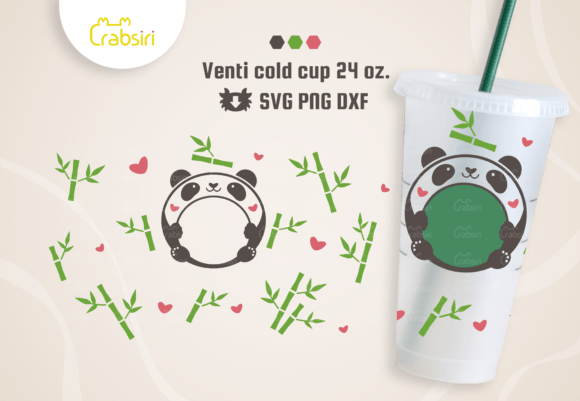
When the Panda Venti Cold Cup 24oz SVG lands in my shop folder, the first thing I notice is how immediately the design sets a mood. It’s lighthearted, a little cheeky, and unmistakably for coffee lovers. The panda illustration wrapped around the cup shape has a hand-drawn personality that feels modern but not trendy to the point of looking dated next season. For a designer who works with machine embroidery and custom apparel, this kind of visual clarity matters. The theme is simple enough to read from a distance, yet detailed enough to keep someone looking at the finished product a little longer.
The lines are clean, and the composition knows it’s supposed to fit a curved surface. That’s not always a given with ready-made graphics, but here the pre-sizing for the 24oz Venti cup is obvious. The proportions feel intentional, not just stretched to fit a rectangle. For embroidery, that means I’m not fighting the design later—I’m already thinking about how the satin stitch outlines will trace the panda’s face and the bamboo accents, and where a fill stitch could turn the black patches into texture without becoming a dense, bulletproof lump.
Where This Design Belongs in a Real Embroidery Project
I opened the Panda Venti Cold Cup 24oz SVG with a specific project in mind: a set of custom embroidered tote bags for a small coffee shop’s spring merchandise drop. The owner wanted something that felt like a collector’s item, not a generic logo slap. The panda theme aligned perfectly with their playful branding, and the cup wrap motif gave me a natural placement idea—stitched large on the front panel of a canvas tote, almost like a trophy patch. That’s the kind of real-world use that makes a design asset earn its place in your library. It’s not just a graphic; it’s a starting point for a whole product line.
Beyond totes, this design would sit comfortably on unisex sweatshirts, especially with a soft color palette behind it. On a light oatmeal or sage green fabric, the panda’s contrast pops without screaming. For baby clothes, the friendly animal face and rounded shapes translate well to onesies or tiny bibs, though I’d simplify some details before taking it to a small hoop. Pillow covers, tea towels, and even a simple apron pocket would all benefit from the same playful energy. The design doesn’t box you into one product category, which is a serious advantage for craft business owners and Etsy sellers who need versatility.
Thinking Like a Customer: Giftability and Perceived Value
When I evaluate a design for commercial embroidery, I always imagine the customer holding the finished product. With the Panda Venti Cold Cup 24oz SVG, the reaction I picture is a smile and an immediate “Oh, that’s cute.” That reaction is gold for personalized gifts. A panda clutching a cold cup says “I know your coffee order” without saying a word. It’s specific enough to feel personal, but broad enough to sell at a craft fair without endless explaining. For a boutique sticker or embroidered patch, the design already has a self-contained shape that works on hats, jean jackets, or even a laptop sleeve. The recognition factor is high, and that builds buyer trust before they even read the description.
Translating the Graphic into Stitch-Ready Reality
Here’s where the designer hat stays on tight. The Panda Venti Cold Cup 24oz SVG arrives as a set of clean files—SVG, PNG, and DXF, all at 300dpi. The SVG is the star for embroidery digitizing because I can bring it directly into my software as a vector base. The high resolution means I’m not tracing jagged edges; I’m working with smooth curves that translate beautifully into running stitch outlines and well-placed satin columns. The PNG file is instantly useful for printable mockups, letting me drop the design onto a digital tote bag or sweatshirt before a single stitch is made. That speeds up client approvals and Etsy listing photos. The DXF file is a bonus for those who work with cutting machines or want to create appliqué templates, which is a clever way to use this design on fabric that can’t handle dense embroidery.
But I always remind myself: a pretty graphic doesn’t guarantee a pretty stitch-out. The panda’s facial features are charming, but if I simply auto-digitize and hope for the best, those tiny eyes and the bamboo leaves could turn into a muddy mess. I’d test it on scrap fabric first, adjusting stitch density so the black areas feel solid but not stiff. A fill stitch on the panda’s ears and eye patches needs to be dense enough to cover the background fabric, but if I’m working on a dark garment, the contrast might disappear. That’s when I check the design in black and white mockups—if the panda still reads as a panda, the composition is strong. If not, I’d tweak thread colors or add a subtle outline to separate the figure from the cup.
Fabric and Placement Considerations
Some surfaces are trickier than others with this design. The wrap shape is long and slightly curved, which naturally wants to live on a flat or gently curved area. A tote bag panel or the back of a sweatshirt is ideal. On a structured cap, I’d be careful—the front panel of a baseball cap can handle a simplified version, but the full wrap might distort around the crown’s curve. I’d either scale it down or use only the central panda face as a focal point. For stretchy fabrics like a performance tee, a good cutaway stabilizer is non-negotiable, or the stitching will ripple as the fabric moves. Thin fabrics, like a lightweight tea towel, need a lighter stitch density and possibly a water-soluble topper so the design doesn’t sink into the weave. The design itself doesn’t come with a recommended hoop size, so I’d measure the dimensions from the SVG and confirm it fits my machine’s embroidery field before committing.
Using the Design for Commercial and Personal Projects
One of the first questions I ask when downloading a new digital embroidery file is about licensing. The product description doesn’t spell out commercial terms, and that’s the sign to pause. I always contact the seller or check the shop’s policy before putting the finished product in my Etsy shop or selling at a market. Even if the files are clean and ready to cut, the right to use them on items for sale is not automatic. For a craft business, this is a non-negotiable step. Don’t assume. Once the license is confirmed, the design becomes a real asset. I can batch produce embroidered patches, create a coordinating set with a matching cup cozy, or offer a personalized name addition alongside the panda. The design’s personality makes it easy to build a small collection around it, which is exactly what repeat customers look for.
Practical Designer Notes Before You Start Stitching
- Test on scrap fabric first. Use a fabric similar to your final product. Watch how the panda’s details resolve at actual size.
- Check thread color contrast. The panda’s black and white areas need to stay distinct from the cup and background fabric. A soft gray thread can sometimes read better than pure white on a natural cotton.
- Review stitch density. If you’re digitizing the design yourself, adjust the density of fill areas so the panda’s body doesn’t become a rigid plate. A lighter fill with a tatami pattern often works better for wearable items.
- Confirm hoop size. Measure the longest dimension from the SVG file. The pre-sized wrap is made for a 24oz cup, not a standard embroidery hoop, so you’ll need to know exactly where it fits.
- Inspect small details. The bamboo leaves and the panda’s paw grips are charming but can close up if your stitch width is too thick. A 1.5mm satin stitch often looks cleaner than a wider default.
- Test on light and dark fabric. The design’s visibility changes dramatically. On a dark navy sweatshirt, the black portions of the panda might vanish unless you add a thin outline or change the thread color to a charcoal that reads lighter.
- Use the right stabilizer. A medium-weight cutaway stabilizer is a safe starting point for most projects. For thin or stretchy fabrics, bump up to a heavy cutaway and consider a topping film.
- Check the “no wat” detail. The description mentions no watermark, which is a relief. The files are clean and ready to use directly in your design software without extra cleanup.
How the Design Elevates a Handmade Product
There’s a difference between a design that looks good on a screen and one that makes a handmade product feel intentional. The Panda Venti Cold Cup 24oz SVG does the latter. When I stitch it onto a high-quality canvas tote, the finished product doesn’t scream “I downloaded a file and pressed a button.” It looks like a curated piece. The wrap concept gives the tote a focal point that draws the eye, and the panda’s expression gives it personality. For a holiday gift, adding a name or a short phrase in a complementary font turns it into a personalized keepsake. For a wedding favor, a mini version on a linen pouch filled with coffee beans becomes a thoughtful detail. The design’s flexibility makes it a smart addition to a craft business’s library, especially for sellers who want to build a brand around cozy, everyday moments.
The PNG file is a workhorse for marketing. I use it to create printable mockups, styled flat lays, and social media previews. When a customer sees a realistic preview of the embroidery on a tote bag, the perceived value jumps. The high resolution keeps the edges crisp even when I zoom in for a detail shot. That professionalism builds trust, and trust builds sales. Whether you’re a hobbyist making a gift for a friend or a small shop owner filling a wholesale order, the design assets save you time and help you present a consistent brand.
Final Thoughts from an Embroidery Designer’s Perspective
The Panda Venti Cold Cup 24oz SVG is the kind of design that makes me glad I’m in this craft. It’s not trying to be everything at once. It knows its purpose—a playful, coffee-themed graphic that fits a specific cup wrap dimension—and it executes that purpose well. For machine embroidery, it requires a thoughtful digitizing approach, but the payoff is a stitch-out that customers remember. I’d reach for it again when I need a quick, charming project for a baby shower gift, a last-minute holiday market addition, or a client who wants something that feels exclusive without the custom illustration price tag. Just remember: test thoroughly, adjust for your fabric, confirm your license, and then let the panda do its job. The smile it brings is the best kind of repeat business.